

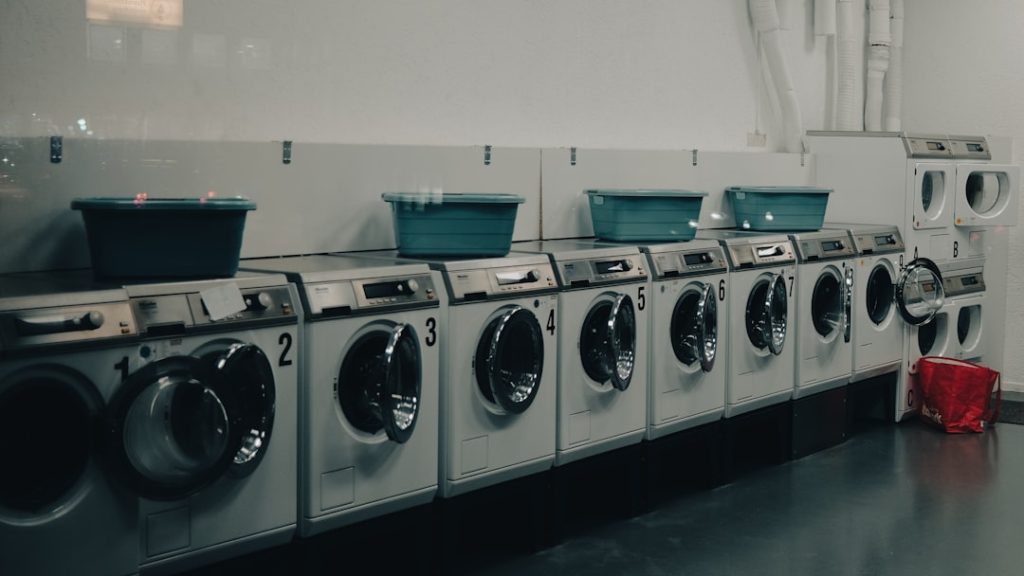
If your Amana washer consistently stops during the wash cycle and fails to finish, it’s typically an indication of a problem with sensor readings, water levels, or a component directly involved in the progression of the cycle. This isn’t usually a major malfunction requiring a new machine, but rather a specific issue that can often be troubleshot and resolved.
To figure out why your Amana washer is stopping, it helps to understand how it’s supposed to work. Washing machines, especially modern ones, operate on a series of programmed steps. Each step must be completed and confirmed by the machine’s sensors before it moves to the next.
The Wash Cycle Breakdown
The wash cycle itself isn’t one continuous action. It involves several distinct stages:
- Water Fill: The machine fills with water to a predetermined level, measured by a pressure sensor or flow meter.
- Agitation: The agitator or impeller moves, mixing the clothes and detergent with the water. This usually happens in intervals.
- Soak (Optional): Some cycles include a soak period where agitation pauses.
- Detergent Dissolution: Ensures the detergent is evenly distributed.
- Water Temperature Monitoring: Sensors confirm the water is at the selected temperature.
If any of these stages aren’t met to the machine’s satisfaction, it might pause, attempt to recalibrate, or simply stop and wait for a resolution. This is where your troubleshooting comes in.
If you’re experiencing issues with your Amana washer stopping at the wash cycle and not completing its cycle, you might find it helpful to explore related troubleshooting tips. For instance, you can check out this informative article on why a Whirlpool washer may not turn on, which could provide insights into similar problems: Why Won’t My Whirlpool Washer Turn On?. Understanding common issues across different washer brands can often lead to a quicker resolution for your appliance troubles.
Common Reasons for Stopping at Wash
When your Amana washer pauses at the wash phase, several culprits could be at play. We’ll break down the most frequent ones.
Water Level and Pressure Issues
The machine needs to confirm the correct water level before proceeding. If it cannot, it will often stop.
- Insufficient Water Supply:
- Low Water Pressure: If your household water pressure is too low, the machine may take too long to fill or never reach the desired water level. It times out and stops. Check other faucets in your house.
- Kinked Hoses: The hot and cold water inlet hoses at the back of the washer can get kinked, restricting water flow. Untangle them.
- Clogged Inlet Screens: Small filters inside the water inlet valves can get clogged with sediment. These need to be cleaned periodically.
- Faulty Water Level Sensor (Pressure Switch):
- How it Works: This sensor, often located near the top of the tub and connected by a small air hose, measures water level by detecting the air pressure in the tub as it fills.
- Blocked Air Hose: The small air hose connecting the pressure switch to the tub can become clogged with lint, soap residue, or even develop a leak. This prevents accurate pressure readings.
- Defective Sensor: The sensor itself can fail, providing incorrect readings to the control board, which then assumes the water level is wrong or never reached.
- Faulty Water Inlet Valve:
- Function: This valve opens and closes to allow water into the machine.
- Partial Failure: One side of the valve (hot or cold) might be failing, leading to a slow fill or incorrect temperature mix, which the machine detects.
- Stuck Open/Closed: While less likely to stop during wash (more likely to overfill or not fill at all), a partially stuck valve can cause problems.
Lid Switch or Door Lock Assembly Problems
For safety, the washer must detect that the lid or door is securely closed and locked before it begins or continues agitation.
- Amana Top-Loader Lid Switch Issues:
- Mechanical Damage: The plastic tab on the lid that engages the switch can break or become bent, preventing proper engagement.
- Worn Switch: The internal contacts of the lid switch itself can wear out or become corroded, failing to signal “closed” to the control board.
- Lint Accumulation: Sometimes, lint or debris can block the switch mechanism, preventing it from fully closing.
- Amana Front-Loader Door Lock Problems:
- Damaged Latch: The door’s latch mechanism can break or bend, preventing a secure lock.
- Faulty Actuator: The electronic actuator that locks the door can fail, either not engaging at all or not sending the “locked” signal to the control board.
- Wiring Issues: The wiring connecting the door lock to the main control board can become loose or damaged.
When either of these safety mechanisms aren’t engaged correctly, the washer will absolutely stop the cycle to prevent injury.
Motor and Agitation System Failures
The purpose of the wash cycle is agitation. If the machine cannot agitate, it will stop.
- Motor Overload or Failure:
- Overloading: Too many clothes can put excessive strain on the motor, causing it to overheat and shut down temporarily. Removing some items might restart it.
- Thermal Cut-out: Most washer motors have a thermal cut-out that trips if the motor gets too hot. It needs time to cool down.
- Faulty Motor: The wash motor itself can fail, either completely or intermittently, during the agitation phase. You might hear humming without movement or no sound at all.
- Transmission or Drive System Issues:
- Worn Drive Belt (some models): Over time, the drive belt can become loose, stretched, or break, preventing the motor’s power from reaching the agitator.
- Stripped Agitator Dogs (top-loaders): These plastic or rubber components inside the agitator are designed to grab the agitator shaft. If they wear out, the motor will turn, but the agitator won’t.
- Transmisssion Problems (fewer Amana models use traditional transmissions now): While less common in modern Amana direct-drive machines, older or specific models with a transmission can experience internal gear failures, preventing agitation.
- Capacitor Issues (if applicable):
- Start Capacitor Failure: A faulty start capacitor can prevent the motor from getting the initial jolt of power required to begin turning, leading to a hum but no motion.
If you’re struggling with your Amana washer stopping at the wash cycle and not completing its full operation, you might find it helpful to explore related troubleshooting tips. For instance, an article discussing common appliance issues in Salt Lake City can provide insights into similar problems and potential solutions. You can read more about it in this informative piece on appliance services. This resource may help you identify the root cause of your washer’s malfunction and guide you toward a resolution.
Control Board and Electronic Glitches
The control board is the brain of your washer. If it’s confused or faulty, the cycle won’t proceed properly.
- Main Control Board Malfunction:
- Component Failure: Individual components on the circuit board can fail, leading to incorrect commands or misreadings from sensors.
- Power Surges: Power fluctuations can damage the delicate electronics.
- Software Glitches: Rarely, a software bug can cause the machine to freeze or halt a cycle. A power cycle (unplugging for a minute) can sometimes resolve this.
- User Interface Control Board Problems:
- Button Malfunctions: Sticky or unresponsive buttons can sometimes send incorrect signals or fail to register selections, making the machine pause.
- Display Errors: While not directly causing a stop, cryptic error codes on the display can point to deeper control board issues.
- Wiring Harness Issues:
- Loose Connections: Vibrations can cause wiring connections to loosen, leading to intermittent communication between components and the control board.
- Damaged Wires: Rodents chewing on wires or insulation breakdown can disrupt electrical signals.
- Error Codes:
- Decoding Error Codes: Many Amana washers will display an error code when they encounter a problem. Consult your owner’s manual or an online service manual for your specific model to decipher these codes. They are often the fastest way to pinpoint the exact issue. Common codes relate to water level, lid lock, or motor errors.
What to Do When Your Washer Stops
When your Amana washer decides to take a break during the wash cycle, there are a few practical steps you can take to diagnose and potentially fix the problem.
Basic Troubleshooting Steps
Before calling in assistance, try these simple checks.
- Power Cycle the Washer: Unplug the washer from the wall outlet for at least 60 seconds. Plug it back in. This often resets the control board and can clear minor glitches.
- Check for Overloading: Remove some clothes if the tub seems overly full. Restart the cycle.
- Inspect Water Hoses: Ensure the hot and cold water inlet hoses are not kinked and that the water supply valves are fully open.
- Verify Lid/Door Closure: Make sure the lid or door is fully closed and latched. For top-loaders, inspect the plastic tab on the lid that engages the switch. For front-loaders, check for anything obstructing the door latch.
- Look for Error Codes: See if any error codes are displayed on the control panel. Note them down for reference.
Deeper Inspection and Repair
If basic troubleshooting doesn’t work, you’ll need to dig a little deeper. Always unplug the washer before performing any internal inspection or repair work.
- Inspect and Clean Inlet Screens: Detach the water inlet hoses from the back of the washer. There are small screens inside the inlet valves. Use needle-nose pliers to carefully pull them out and clean them under running water with a brush.
- Test the Lid Switch (Top-Loader):
- Locate: The lid switch is typically under the washer’s top panel, near the hinge.
- Visual Check: Look for physical damage, broken plastic, or misalignment.
- Continuity Test (Multimeter): With a multimeter, disconnect the lid switch wires and test for continuity when the switch is engaged (lid closed) and disengaged (lid open). There should be continuity in one position and none in the other.
- Test the Door Lock Assembly (Front-Loader):
- Access: You’ll usually need to remove the front panel or the rubber gasket around the door.
- Visual Check: Check for damaged wiring or obvious cracks in the plastic housing.
- Continuity/Voltage Test: This can be more complex and may require service diagrams. A professional might be needed here.
- Examine the Pressure Switch/Hose:
- Location: Often mounted near the top of the tub, close to the control panel.
- Hose Check: Gently detach the small air hose from the pressure switch and the tub. Look for clogs, cracks, or loose connections. Blow through it gently to clear any obstruction.
- Sensor Test (Multimeter): A professional can test the pressure switch for correct resistance or continuity based on water level simulation.
- Check the Drive System:
- Tilt/Move: Carefully tilt the washer back or lay it down (if safe and you have assistance) to access the underside.
- Belts: Inspect the drive belt (if applicable) for fraying, cracks, or looseness.
- Motor: Look for signs of burning or damage. If the motor hums but doesn’t turn, it could be a capacitor issue.
- Consult the Service Manual: For specific error codes or detailed component testing, your washer’s service manual is invaluable. You can often find these online by searching for your Amana washer model number and “service manual.”
Latin Appliances LLC Map Location is where you can find the store.
When to Call a Professional
While many issues can be tackled with a bit of DIY spirit, there are times when contacting a qualified appliance technician is the best course of action.
Complex Electrical Issues
- Control Board Replacement: If diagnostics point to a faulty main control board, replacing it can be expensive and requires careful handling of electronic components. Incorrect installation can damage new parts.
- Motor Replacement: Replacing a wash motor is a significant repair that typically involves disassembling a good portion of the machine and dealing with heavy components.
- Wiring Problems: Tracing intermittent wiring problems or repairing damaged harnesses can be time-consuming and requires electrical expertise.
Safety Concerns
- Water Leaks After Repair: If your troubleshooting leads to a repair that results in a water leak, immediately stop using the machine and call a professional. Water and electricity are a dangerous combination.
- Gas Appliances: While Amana washers are electric, if you are also troubleshooting a dryer and a gas line is involved, always err on the side of caution and call a licensed professional.
- Lack of Confidence: If you are unsure about any step, feel uncomfortable working with electricity, or do not have the right tools, it is safer to hire a technician. They have the specialized knowledge and equipment to diagnose and fix the problem efficiently and safely.
The goal is to get your Amana washer completing its cycles without hassle. By systematically checking the common problem areas, you stand a good chance of identifying and resolving why it stops at the wash phase.
FAQs
1. What could be causing my Amana washer to always stop at the wash cycle and not complete the cycle?
There are several potential reasons for this issue, including a malfunctioning timer, a faulty lid switch, a clogged drain hose, or a problem with the water inlet valve.
2. How can I troubleshoot my Amana washer to determine the cause of the cycle interruption?
You can start by checking the lid switch to ensure it is functioning properly, inspecting the drain hose for any clogs, and testing the water inlet valve for proper operation. If these components appear to be working correctly, it may be necessary to consult a professional technician for further diagnosis.
3. Are there any common maintenance tasks that can help prevent my Amana washer from stopping at the wash cycle?
Regularly cleaning the drain hose and checking for any obstructions, as well as ensuring the lid switch is free of debris and functioning properly, can help prevent issues that may cause the washer to stop mid-cycle.
4. Should I attempt to repair my Amana washer myself, or should I seek professional assistance?
While some maintenance tasks, such as cleaning the drain hose, can be performed by the homeowner, more complex issues with the timer, lid switch, or water inlet valve may require the expertise of a professional technician to avoid causing further damage to the appliance.
5. What are some potential costs associated with repairing a Amana washer that consistently stops at the wash cycle?
The cost of repairing a washer that stops mid-cycle can vary depending on the specific issue and the labor rates of the technician. It is advisable to obtain a diagnosis and estimate from a qualified technician before proceeding with any repairs.