

The washing machine, a ubiquitous household appliance, relies on several internal components to function effectively. Among these, the filter plays a crucial, though often overlooked, role in maintaining performance and hygiene. Neglecting this component can lead to a cascade of issues, impacting both the machine itself and the cleanliness of your laundry. This article will outline the consequences of failing to clean your washing machine filter, providing a comprehensive understanding of the problems that can arise.
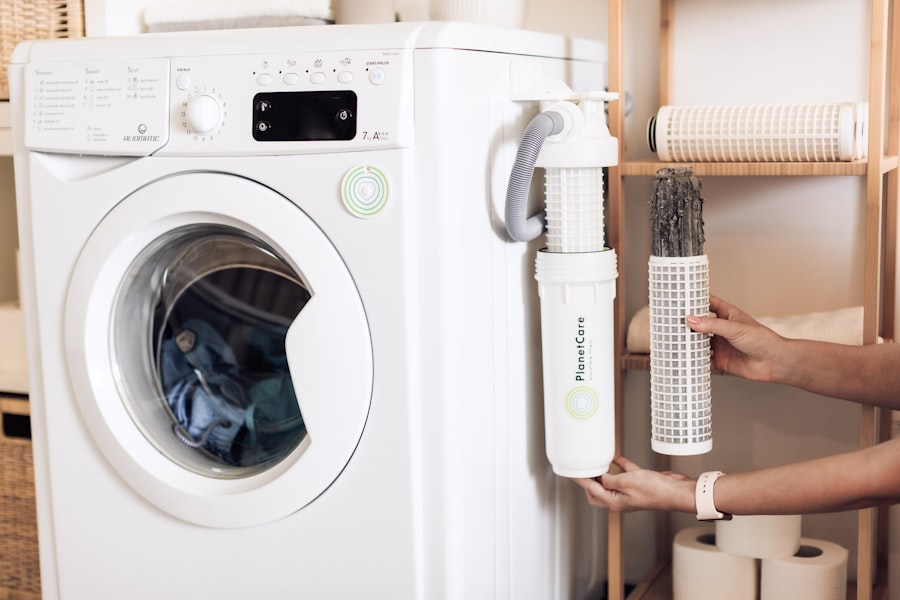
The washing machine filter, often referred to as a lint filter or drain pump filter, is designed to trap debris that originates from your laundry. This debris includes lint, hair, coins, buttons, and other small items that may accidentally enter the wash cycle. Its primary purpose is to prevent these foreign objects from reaching and damaging the delicate components of the washing machine’s pump and drainage system. You can find the exact location of Latin Appliances LLC by visiting the Latin Appliances LLC Map Location.
Location of the Filter
The exact location of the filter varies by washing machine model and manufacturer.
Front-Loading Machines
In most front-loading washing machines, the filter is situated at the bottom front, often behind a small access panel or kickplate. This design allows for relatively easy access for routine cleaning.
Top-Loading Machines
For top-loading machines, the filter’s placement can be more diverse. Some have a self-cleaning filter integrated into the agitator or drum, while others feature a removable mesh filter located in the agitator post or near the water inlet. Consulting your washing machine’s user manual is the most reliable way to identify its specific filter location.
Types of Debris Trapped
The filter acts as a gatekeeper, capturing a range of materials that would otherwise obstruct the machine’s internal workings.
Fabric Lint and Fibres
Each wash cycle releases microscopic fibers from clothing, towels, and bedding. These fibers accumulate over time, forming a compact material often referred to as lint.
Hair and Pet Fur
Human hair and pet fur are common elements found in laundry. The filter prevents these longer strands from tangling around moving parts.
Small Objects
Accidental inclusions such as coins, buttons, paper clips, and small toys often find their way into the wash. The filter prevents them from being drawn into the pump.
If you’re concerned about the maintenance of your washing machine, it’s also important to consider the performance of your dryer. Neglecting to clean your washing machine filter can lead to various issues, but similar problems can arise with your dryer if it takes too long to dry clothes. For tips on troubleshooting this common appliance issue, you can read more in the article on how to address dryer performance concerns by visiting this link.
Impaired Drainage and Water Flow
One of the most immediate and noticeable consequences of a clogged washing machine filter is compromised drainage. The filter acts as a bottleneck in the drainage system; as it accumulates debris, the passage for water narrows, impeding the machine’s ability to expel water efficiently.
Extended Drain Times
When the filter is obstructed, the drain pump has to work harder and longer to push water through the restricted opening. This results in significantly extended drain cycles, prolonging the overall wash time. What might typically take a few minutes to drain could stretch to ten or fifteen, impacting the machine’s efficiency and your schedule.
Standing Water in the Drum
In more severe cases of filter blockage, the machine may fail to drain completely, leaving standing water in the drum at the end of a cycle. This presents several problems: your clothes remain saturated, requiring additional effort for drying, and the stagnant water provides an ideal breeding ground for bacteria and mold, leading to unpleasant odors.
Error Codes and Cycle Interruptions
Modern washing machines are equipped with sensors that monitor various operational parameters, including water levels and drainage rates. A blocked filter can trigger these sensors, causing the washing machine to display error codes related to drainage issues. The machine may also automatically stop cycles midway or refuse to start a new one, as a safety mechanism to prevent further damage. This can lead to frustration and the necessity of troubleshooting, which can be avoided by routine filter maintenance.
Deterioration of Washing Performance
Beyond drainage issues, a neglected filter can directly impact the quality of your wash. The washing machine’s ability to effectively clean clothes is intrinsically linked to proper water circulation and rinsing.
Clothes Not Cleaning Properly
When drainage is impaired, the dirty water from the wash cycle may not be fully expelled. Instead, some of it can recirculate with the fresh rinse water, essentially washing your clothes in diluted dirty water. This leads to clothes emerging from the machine still soiled, streaky, or with visible residue.
Lint and Residue on Clothes
A clogged filter, by its very nature, is unable to trap lint and other debris effectively. Consequently, these particles are redeposited onto your clothes during the wash and rinse cycles. You may find your freshly washed garments covered in white specks, hair, or an overall dull appearance. This is particularly noticeable on dark fabrics. It’s akin to sweeping a floor with a full dustpan – you’re simply spreading the dirt around rather than removing it.
Unpleasant Odors Transferring to Laundry
As mentioned, standing water in the drum contributes to bacterial and mold growth. These microorganisms produce foul-smelling compounds that can penetrate the fabric of your clothes. Even after a wash, your laundry might carry a musty, mildewy, or general unpleasant odor, negailing the purpose of washing them in the first place. The machine itself develops a stale smell, permeating anything placed within its confines.
Health and Hygiene Concerns
The accumulation of organic matter and stagnant water within a washing machine with a neglected filter poses significant health and hygiene risks. These risks extend beyond mere unpleasantness, potentially impacting the health of household members.
Bacterial and Mold Growth
The washing machine’s warm, damp interior, particularly when coupled with trapped lint and standing water, creates an ideal environment for the proliferation of bacteria and mold. These microorganisms thrive on the organic material present in laundry debris.
Biofilm Formation
Over time, these microbes can form biofilms – slimy layers that adhere to the interior surfaces of the washing machine, including the drum, hoses, and the filter housing itself. Biofilms are notoriously difficult to remove and can serve as a continuous source of contamination.
Contamination of Laundry
Once established, these bacteria and mold spores can easily transfer to your laundry during the wash cycle. This means that clothes, towels, and bedding, even after being “washed,” can become contaminated, potentially carrying allergens or pathogens.
Skin Irritations and Allergic Reactions
Individuals with sensitive skin or allergies may experience adverse reactions from clothes washed in a contaminated machine. The presence of mold spores, bacteria, or residual detergent (due to poor rinsing) transferred from the machine can trigger skin irritations, rashes, itching, or exacerbate existing skin conditions like eczema. For individuals with asthma or respiratory sensitivities, airborne mold spores from contaminated laundry can also be problematic.
Odor Retention and Growth
The persistent musty or sour smell emanating from a dirty washing machine is a direct result of these microbial growths. This odor can penetrate and stubbornly cling to fabrics, making clothes smell less than fresh, even directly out of the wash. This is not simply an aesthetic problem; it signifies an underlying hygiene issue.
Neglecting to clean your washing machine filter can lead to a variety of issues, including poor washing performance and unpleasant odors. To understand more about appliance maintenance, you might find it helpful to read about the common problems associated with other household devices. For instance, if you’re curious about the continuous beeping of your Samsung microwave, you can check out this informative article that explains what it means and how to address it. Keeping your appliances in good condition is essential for their longevity and efficiency, so regular maintenance is key. For more details, visit this article.
Increased Wear and Tear on Machine Components
| Consequence | Description | Impact on Washing Machine | Potential Cost | Frequency |
|---|---|---|---|---|
| Clogged Filter | Accumulation of lint, hair, and debris blocks water flow. | Reduced washing efficiency and longer cycle times. | Low (DIY cleaning) | Monthly to quarterly |
| Water Drainage Issues | Water drains slowly or not at all due to blockage. | Machine may stop mid-cycle or display error codes. | Medium (possible technician visit) | Every 6 months to yearly |
| Bad Odors | Trapped debris causes mold and mildew growth. | Unpleasant smells in laundry and machine. | Low to Medium (cleaning products or service) | Every 3 to 6 months |
| Damage to Pump | Debris can damage or block the water pump. | Costly repairs or replacement needed. | High (repair or replace pump) | Rare but possible if neglected |
| Reduced Machine Lifespan | Continuous strain from blockages wears out components. | Premature failure of washing machine parts. | High (early replacement) | Long-term effect |
A clogged washing machine filter not only affects the cleanliness of your clothes but also places undue strain on the machine’s internal components, potentially shortening its lifespan and necessitating costly repairs.
Strain on the Drain Pump
The primary component affected by a blocked filter is the drain pump. Its function is to forcibly expel water from the machine. When the filter is obstructed, the pump must work significantly harder to push water through the restricted opening. This increased workload and sustained effort can lead to:
Premature Motor Failure
The motor inside the drain pump is not designed for continuous, high-stress operation. Consistent overloading due to a clogged filter can cause the motor to overheat and eventually burn out, requiring a complete pump replacement. This is analogous to driving a car with the brakes partially applied; the engine and transmission are under constant strain.
Bearing Damage
The bearings within the pump support the rotating components. Excessive strain and vibration from a struggling pump can lead to premature wear and tear on these bearings, resulting in noisy operation and eventual pump failure.
Damage to Hoses and Seals
The increased pressure within the drainage system, caused by a blockage at the filter, can exert undue stress on the hoses and seals connected to the pump and drum.
Leaks and Burst Hoses
Over time, this sustained pressure can weaken the integrity of hoses, leading to minor leaks that may go unnoticed until they cause significant water damage to the surrounding area. In severe cases, hoses can burst, leading to major flooding incidents.
Deterioration of Seals
Rubber seals throughout the drainage system, designed to prevent leaks, can also be compromised by persistent pressure and exposure to stagnant, possibly contaminated water. They can become brittle, crack, and fail, leading to leaks.
Reduced Overall Machine Lifespan
The cumulative effect of damaged components, increased strain, and compromised hygiene contributes to an overall reduction in the washing machine’s lifespan. What might be a minor inconvenience in the short term, such as a slow drain, escalates into significant mechanical issues over time. Neglecting the filter essentially accelerates the aging process of the appliance, transforming a relatively simple and inexpensive maintenance task into a potentially significant repair or replacement cost. Without regular filter cleaning, the washing machine transitions from a reliable appliance to a perpetual source of problems, ultimately nearing its operational end much sooner than it otherwise would.
Neglecting to clean your washing machine filter can lead to a variety of issues, including poor washing performance and unpleasant odors. To understand more about appliance maintenance, you might find it helpful to read an article that discusses common problems with refrigerators, such as why your Whirlpool refrigerator light might not be working. This information can be essential for keeping your appliances in top shape, ensuring they function efficiently. For more details, check out the article here.
Financial Implications and Environmental Impact
The consequences of a neglected washing machine filter extend beyond immediate operational problems and hygiene concerns. There are tangible financial repercussions for the household and an environmental cost associated with inefficient appliance operation.
Increased Utility Bills
A washing machine with a clogged filter operates less efficiently, consuming more resources than necessary.
Higher Electricity Consumption
When the drain pump struggles to expel water, its motor runs longer and works harder. This translates directly to increased electricity consumption. Each extra minute the pump operates against resistance adds to your energy bill. Similarly, cycles that extend due to drainage problems lead to the entire machine consuming power for longer durations.
Increased Water Usage
In some cases, if the machine detects insufficient drainage, it may attempt to compensate by performing additional rinse cycles or trying to refill the drum. This leads to the consumption of more water than is required for a standard wash cycle. Furthermore, if clothes are not cleaned effectively due to poor drainage and residue, they might require re-washing, doubling the water and energy used for that load.
Costly Repairs or Replacement
As detailed previously, a blocked filter places significant strain on critical components, particularly the drain pump.
Expense of Parts and Labor
Should the drain pump or other related parts fail, the cost of repair can be substantial. Drain pump replacement, often necessitating professional service, involves both the cost of the new part and the labor charges of a technician. These repairs can easily run into hundreds of dollars.
Premature Appliance Replacement
If multiple components fail or if the damage from neglect is extensive, the cost of repair might approach or even exceed the cost of a new entry-level washing machine. In such scenarios, consumers are faced with the decision of investing in a costly repair for an aging appliance or purchasing a completely new unit. This significantly shortens the effective lifespan of the appliance, leading to premature disposal and the associated environmental burden.
Environmental Burden
The financial costs are often intertwined with environmental impacts.
Energy Waste
Increased electricity consumption by millions of households running inefficient washing machines contributes to a higher demand on power grids, often supplied by fossil fuels, thereby increasing carbon emissions.
Water Waste
The unnecessary consumption of water, especially in regions facing water scarcity, represents a significant environmental burden. Every extra gallon used by an inefficient appliance contributes to the depletion of freshwater resources.
Landfill Contribution
The premature disposal of washing machines due to preventable damage adds to electronic waste in landfills. Manufacturing new appliances requires raw materials, energy, and generates waste, exacerbating environmental pressures. Regular maintenance, such as cleaning the filter, prolongs the life of the appliance, thereby reducing its environmental footprint.
In conclusion, the minuscule task of cleaning a washing machine filter, often perceived as an optional chore, is in fact a critical aspect of appliance maintenance. Neglecting this simple act initiates a chain reaction of negative consequences, ranging from inefficient operation and compromised hygiene to significant financial outlays and environmental detriments. Adhering to the manufacturer’s recommendations for filter cleaning is not merely a suggestion; it is a fundamental requirement for optimal machine performance, the longevity of the appliance, and the cleanliness of your laundry.
FAQs
What is the purpose of a washing machine filter?
The washing machine filter traps lint, debris, and small objects from the laundry water to prevent them from clogging the drainage system and damaging the machine.
What happens if you don’t clean your washing machine filter regularly?
If the filter is not cleaned regularly, it can become clogged, leading to poor drainage, longer wash cycles, unpleasant odors, and potential damage to the washing machine.
Can a clogged washing machine filter cause the machine to stop working?
Yes, a severely clogged filter can cause water to back up, resulting in the washing machine not draining properly or stopping mid-cycle, which may require professional repair.
How often should you clean the washing machine filter?
It is generally recommended to clean the washing machine filter every 1 to 3 months, depending on usage and the type of laundry being washed.
Is it easy to clean the washing machine filter yourself?
Yes, most washing machine filters are designed to be user-accessible and can be cleaned by removing the filter, rinsing it under running water, and removing any trapped debris. Always refer to the manufacturer’s instructions for specific guidance.